Recovery from addiction is a journey, not a single event. Understanding the stages of recovery can help individuals and families navigate the process with clarity, patience, and confidence. At serenityrecoverycentermn, recovery is approached with dignity, independence, and evidence-based care, providing structure and guidance at each stage of healing.
The recovery journey often involves both medical and emotional support, therapy, and safe living environments. Recognizing each stage helps individuals identify milestones, anticipate challenges, and engage in the right services, including counseling, peer support, and structured housing like sober homes.
What Are the Stages of Recovery?
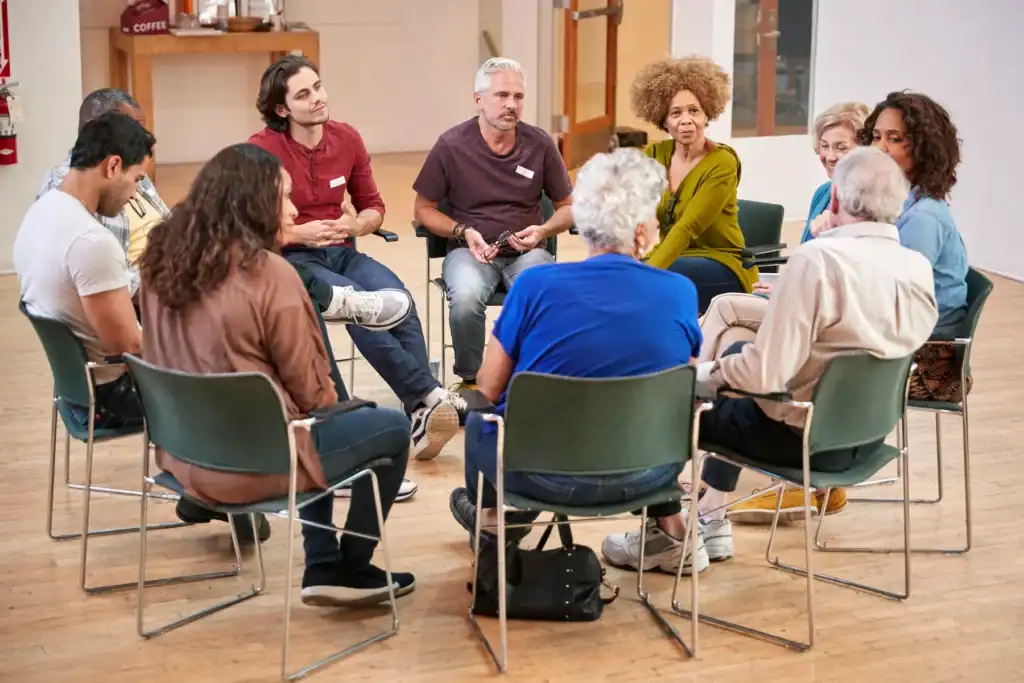
Recovery is widely recognized as a multi-stage process. According to SAMHSA, the stages of recovery include understanding addiction, addressing physical and mental health needs, and gradually rebuilding a balanced life. Serenity programs integrate these stages into structured treatment to maximize success.
The main stages include:
- Recognition and Acceptance – Acknowledging the presence of addiction and the need for help
- Detoxification and Stabilization – Medically supervised withdrawal and early stabilization
- Therapeutic Recovery – Engaging in counseling, group therapy, and coping skills development
- Maintenance and Relapse Prevention – Ongoing therapy, lifestyle adjustments, and building support networks
- Growth and Reintegration – Returning to work, family life, and social activities while maintaining sobriety
Understanding these stages helps set realistic expectations and highlights the need for structured support at each phase.
Stage 1: Recognition and Acceptance
The first step is acknowledging that substance use is causing harm. This stage often involves:
- Emotional awareness of the impact of addiction
- Seeking professional guidance
- Involving supportive family or friends
Professional assessments at serenityrecoverycentermn help individuals develop a personalized recovery plan tailored to their needs.
Stage 2: Detoxification and Stabilization
Medical supervision is critical during withdrawal to ensure safety and reduce health risks. Recovery may include:
- Medication-assisted treatment to manage cravings (NIAAA on Alcohol Medication)
- Monitoring of vital signs and overall health
- Emotional support and counseling to manage early recovery challenges
Detox lays the foundation for sustainable recovery.
Stage 3: Therapeutic Recovery
After stabilization, therapy and counseling are central to healing:
- Individual Counseling – Addresses personal triggers and emotional health
- Group Therapy – Builds peer support and accountability
- Peer Recovery Services – Mentorship from individuals with lived experience (Wikipedia – Peer Support)
Therapy teaches coping strategies, relapse prevention, and emotional resilience, preparing clients for long-term success.
Stage 4: Maintenance and Relapse Prevention
Sustaining recovery requires ongoing support and vigilance. Activities may include:
- Continued participation in counseling or IOP programs
- Engagement in sober houses or Serenity Houses for structured living
- Development of healthy daily routines
- Regular check-ins with recovery mentors
This stage emphasizes accountability, personal responsibility, and the reinforcement of positive habits.
Stage 5: Growth and Reintegration
The final stage focuses on rebuilding life and achieving independence:
- Returning to work, school, or family life
- Establishing supportive relationships
- Practicing skills learned in therapy
- Pursuing personal goals and hobbies
CDC – Social Determinants of Health highlights that stable housing, community support, and structured routines are key factors in long-term recovery success.
How Serenity Supports Each Stage
Serenity programs at serenityrecoverycentermn integrate therapy, peer support, and safe living options to support clients through all stages:
- Comprehensive Assessments to guide treatment planning
- Medication-Assisted Treatment where appropriate
- Sober Homes and Structured Housing to reinforce accountability
- Ongoing Counseling and Peer Recovery Services to strengthen emotional resilience
Internal links for more information:
- Explore structured services: https://serenityrecoverycentermn.com/our-services/
- Learn about compassionate care philosophy: https://serenityrecoverycentermn.com/about-us-best-rehab-centers-in-minnesota/
Conclusion
Understanding the stages of recovery helps individuals navigate the journey with awareness and confidence. Serenity programs combine clinical care, peer support, and structured living environments to address each stage effectively.
At serenityrecoverycentermn, the approach to recovery emphasizes dignity, independence, and sustainable growth. With structured support and personalized guidance, individuals can move through each stage toward a stable, fulfilling, and substance-free life.